
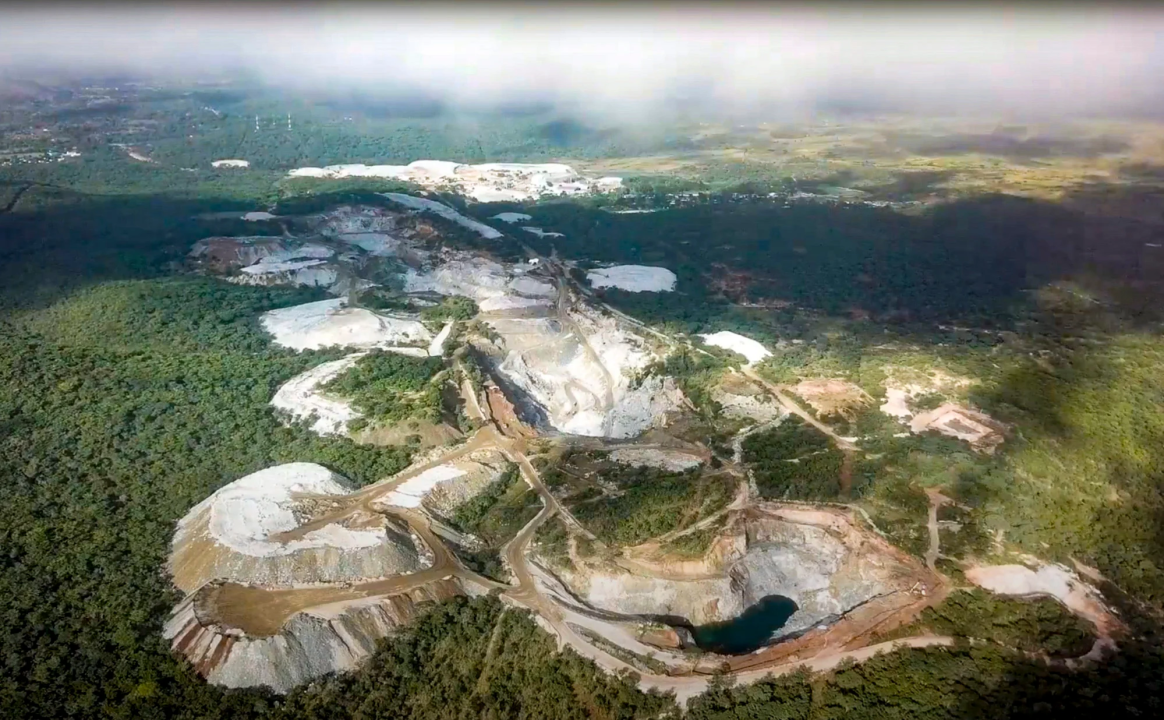
The global shift toward clean energy and electric mobility has dramatically increased the demand for lithium, a key mineral used in batteries for electric vehicles, energy storage systems, and various electronic devices. As this demand rises, many African countries endowed with significant lithium deposits are beginning to recognize the strategic importance of developing their domestic mineral value chains. Rather than relying solely on the export of raw ore, these nations are now focusing on building local processing capacity to refine lithium into higher-value products.
Developing domestic processing capabilities allows African countries to capture more value from their natural resources. Traditionally, raw minerals have been exported at low prices, while the true economic benefits have been realized abroad through refining, manufacturing, and final product assembly. By establishing lithium processing plants, countries such as Zimbabwe, Namibia, the Democratic Republic of Congo, and Mali aim to break this cycle. Processing lithium locally enables governments to earn more revenue through value-added exports and to create skilled jobs in the mining, engineering, and chemical industries.
This shift toward local beneficiation also strengthens each country’s bargaining power in the global market. As nations build their refining capacity, they attract foreign investors interested in stable, long-term partnerships. International companies prefer regions that can offer not only raw materials but also advanced processing infrastructure. This reduces transport costs, strengthens supply chains, and supports the global push for ethically and sustainably sourced critical minerals. In return, African countries benefit from technology transfer, strategic partnerships, and improved industrial capacity.
Furthermore, the development of lithium processing is crucial for African nations’ broader industrialization goals. Strengthening the battery minerals value chain creates opportunities for new industries such as battery manufacturing, renewable energy technology production, and research in mineral chemistry. With lithium at the center of the global energy transition, African countries with processing hubs are positioning themselves as key players in the future green economy.
However, this progress requires strong policies, infrastructure investment, and environmental safeguards. Local processing facilities need a reliable energy supply, high-level skills, and efficient transportation systems. Governments must also ensure that lithium development aligns with sustainable practices to protect communities and ecosystems. With proper frameworks, the lithium industry can contribute to long-term national development and reduce dependency on raw mineral exports.
In conclusion, the growing importance of lithium is reshaping economic strategies across Africa. By focusing on domestic processing and value addition, African countries are working to harness greater benefits from their mineral wealth, attract foreign investment, and participate more competitively in the global clean energy economy. As lithium continues to drive the world’s transition toward sustainable energy, Africa’s role in this emerging landscape is becoming increasingly significant.