
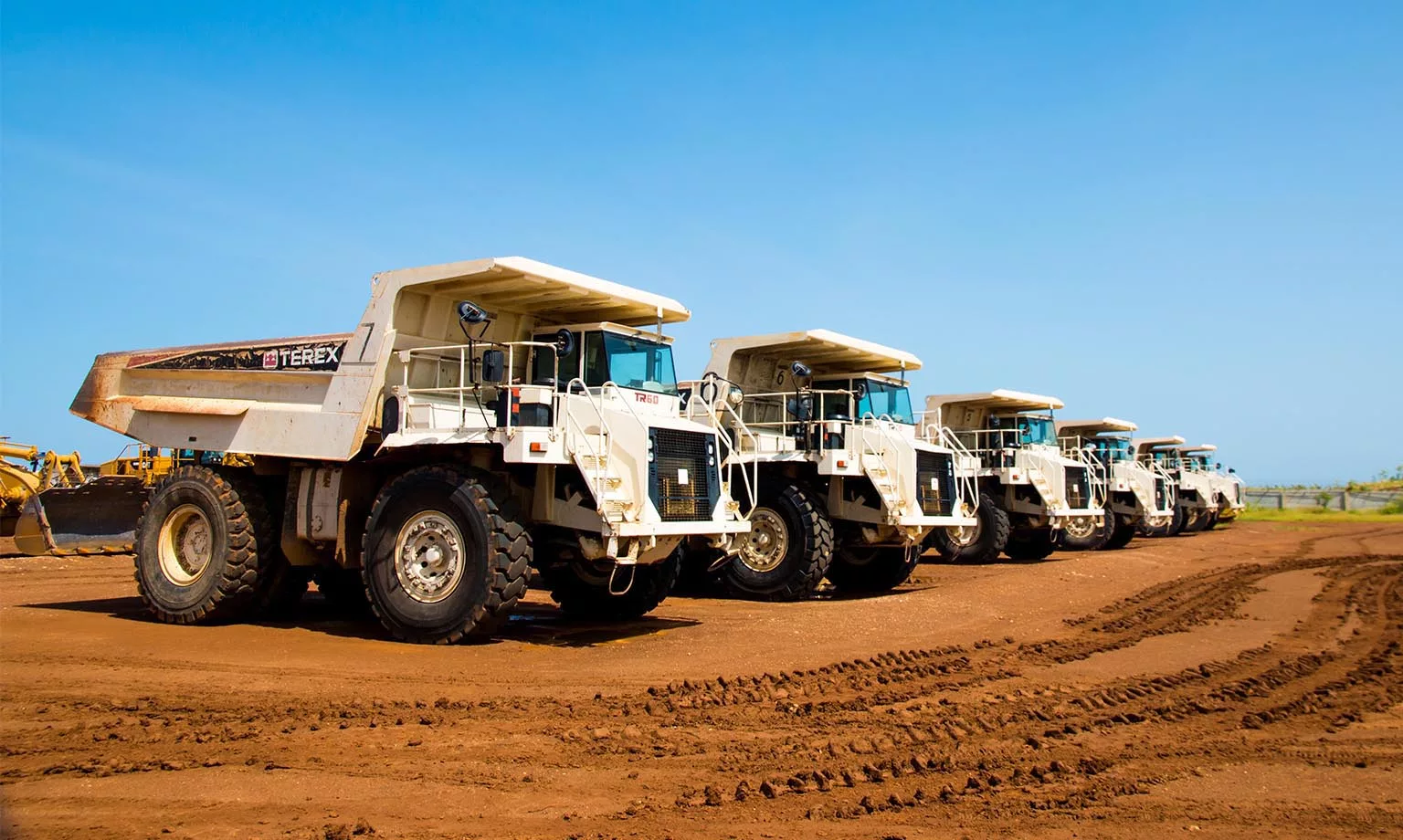
Dangote’s US$1 billion investment is poised to transform Zimbabwe’s limestone mining sector and redefine the country’s industrial landscape.
Zimbabwe’s mining and industrial landscape is on the brink of a major transformation, driven by its vast limestone deposits and renewed investor confidence. Africa’s richest man, Aliko Dangote, is finalizing plans for a groundbreaking US$1 billion industrial complex in Zimbabwe—an ambitious project expected to redefine limestone mining, boost cement production, and reshape the nation’s economic trajectory.
By Nyasha Sungiso
Dangote’s planned venture, which integrates cement manufacturing, coal mining, and power generation, has the potential to become one of the largest private investments in Zimbabwe in more than a decade. For a country long marked by stalled foreign investment, the return of Dangote signals renewed trust and could recalibrate the regional market for construction materials and energy.
Dangote’s interest in Zimbabwe is not new. The Dangote Group previously explored opportunities in 2015 and 2018, including proposed cement facilities and other industrial ventures. Those plans, however, failed to materialize.
Reports from that period point to bureaucratic challenges, including denied visas for Dangote’s technical team and alleged demands for bribes by senior officials—issues that hindered progress and ultimately discouraged the investment.
The momentum shifted this year following engagements during the Afreximbank Annual Meetings in Abuja. According to Paul Tungwarara, President Emmerson Mnangagwa’s investment adviser, “The richest man in Africa is coming to Zimbabwe at the invitation of President Mnangagwa,” confirming that logistical arrangements for Dangote’s visit are underway. Government officials are determined to avoid the missed opportunity of 2015—this time ensuring that the visit culminates in a firm investment agreement.
The proposed US$1 billion investment is not merely a cement plant—it is a fully integrated industrial ecosystem designed to reduce operational costs and maximize efficiency. At its core will be a massive limestone operation feeding directly into cement production. Key components likely include:
-
Cement Factory & Limestone Quarry:
A large-scale cement plant supported by a dedicated limestone quarry and grinding facility. This development could shift Zimbabwe’s limestone mining from a largely domestic focus to a significant export-oriented industry. -
Coal Mine:
A dedicated coal resource to fuel cement production and ensure energy reliability. -
Power Station:
An in-house power generation plant to supply stable, cost-effective energy to the entire complex.
This model of vertical integration has been central to Dangote’s success across Africa. By controlling every stage—from raw materials to final product—the Dangote Group consistently lowers costs, boosts efficiency, and strengthens market dominance.
The arrival of Dangote Group represents more than a billion-dollar investment; it signals a strategic shift in Zimbabwe’s industrial and mineral landscape.
-
Economic Revitalization:
The project is expected to create thousands of jobs, stimulate local industries, and strengthen Zimbabwe’s position as a prime destination for high-value foreign investment. Successful implementation could position the country as a regional supplier of cement, clinker, and energy. -
A Pan-African Strategy in Motion:
Operating in 17 African countries, Dangote’s expansion into Zimbabwe fills a strategic gap in southern Africa. Zimbabwe’s proximity to South Africa—where Dangote currently lacks a major industrial presence—offers a highly attractive market. The busy Beitbridge border post provides an ideal trade corridor. -
Proven Industrial Impact:
Dangote’s track record speaks for itself. Projects in Ethiopia, Zambia, and Senegal have reshaped local markets, stabilized cement prices, and improved infrastructure development. His landmark US$20 billion refinery in Nigeria further demonstrates the group’s capacity to deliver continent-shaping megaprojects.
As Dangote prepares to meet with President Mnangagwa and key officials to discuss limestone and coal concessions, investment guarantees, power frameworks, and tax incentives, global observers are paying close attention. The success of this deal will serve as a test of Zimbabwe’s reformed business climate and its readiness to support large-scale, job-creating foreign enterprises.
If fully realized, this US$1 billion investment will do more than produce cement. The clinker from Dangote’s kilns will symbolize a renewed era of industrial ambition—one built firmly on Zimbabwe’s limestone-rich geological foundation and the country’s commitment to attracting transformative investment.
