
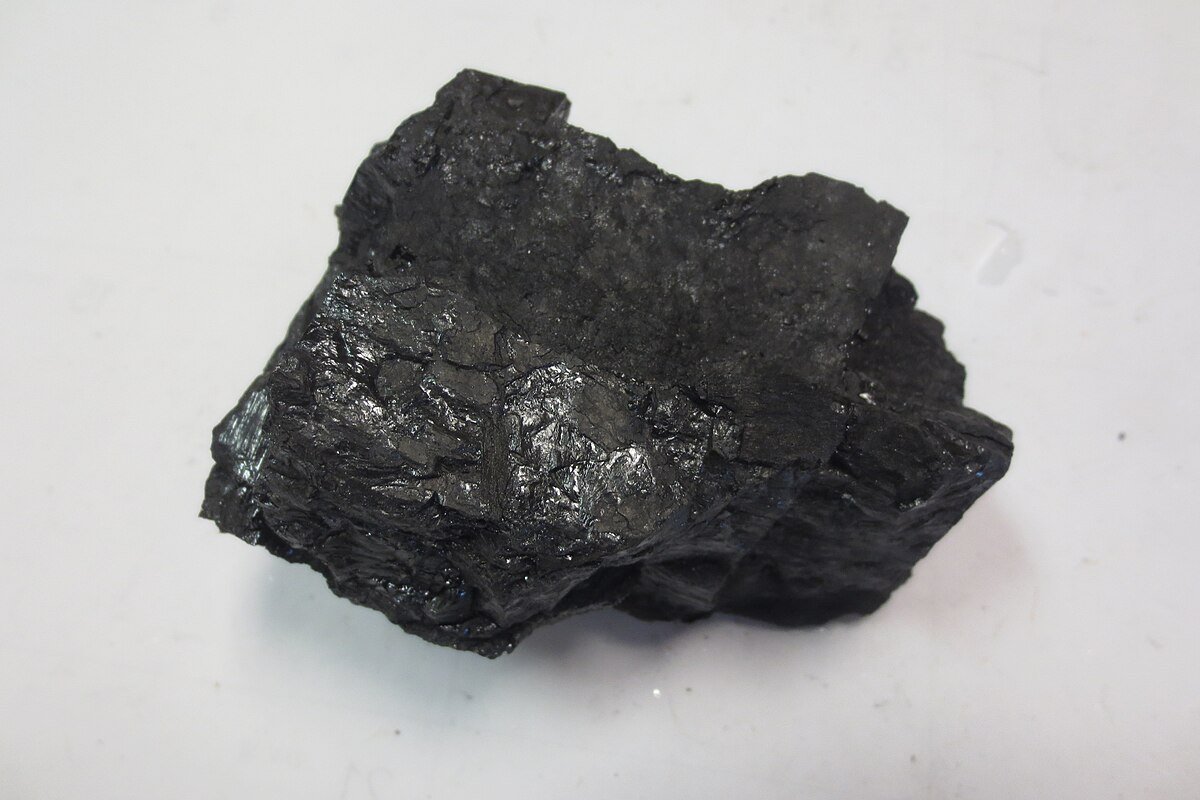
Coal mining in Binga–Chikwalala has attracted attention due to increasing industrial activity.
Chinese-linked investors introduced the project, promising jobs and improved local economic benefits.
Many residents welcomed potential development, hoping mining would transform their struggling communities.
Ownership details remain unclear, creating confusion about responsible leadership and investor accountability. Some reports indicate Chinese involvement, while others mention mixed international financial participation.This uncertainty raises questions about transparency concerning mining operations and community engagement practices.
Local communities have experienced stress from possible relocation linked to planned mining activities. Villagers fear losing ancestral land without proper compensation or transparent relocation agreements. Their concerns highlight the need for respectful consultation during major development projects.
Heavy coal trucks have damaged the Karoi–Binga road near Chikwalala significantly. These roads were never designed to handle continuous, overloaded truck traffic daily. Deep potholes and cracked edges now threaten transport safety for many travellers.
Road destruction disrupts emergency services, school access, and essential community transportation routes. Overloaded trucks navigating weak roads increase accidents and dangerous roadside conditions frequently.
Local drivers face higher expenses for repairing vehicle damage caused by degraded road surfaces.
Responsible mining entails striking a balance between development goals, community welfare, and environmental protection. Authorities must enforce load limits and ensure investors support necessary infrastructure maintenance.
Sustainable mining relies on protecting residents and responsibly safeguarding vital transportation networks.