
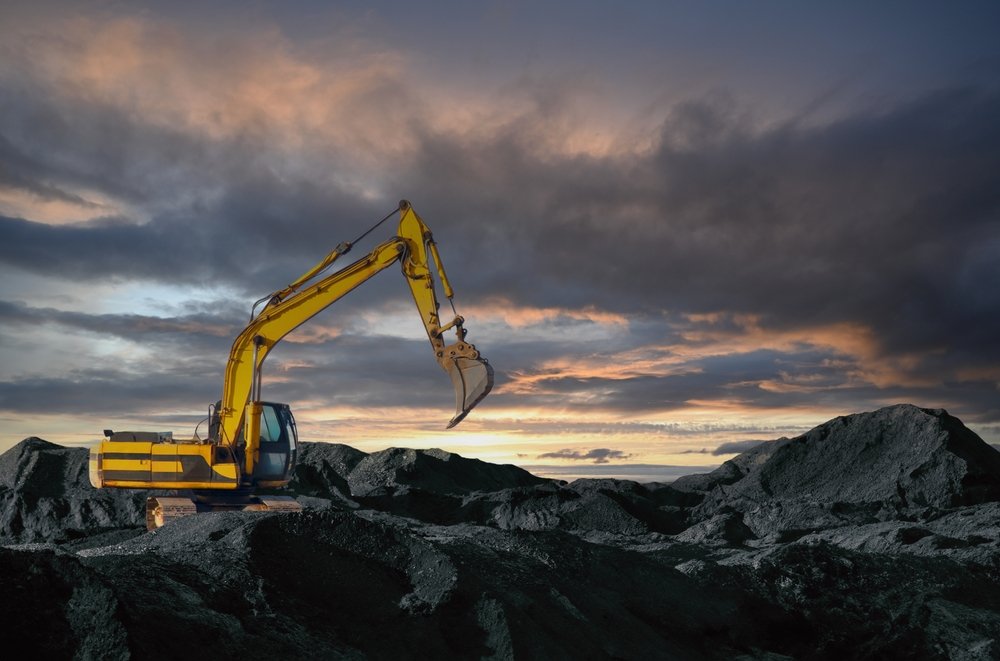
Technology, innovation, and automation have become highly effective in transforming the mining industry. Their impact is most visible in areas such as safety, efficiency, cost reduction, and environmental protection. However, the degree of effectiveness often depends on the scale of operations and the resources available for investment.
One of the greatest advantages of modern mining technologies is the improvement of safety. Automation of dangerous tasks such as drilling, blasting, and ore hauling reduces direct human exposure to hazardous conditions. Remote-controlled and autonomous vehicles now carry out work that once put miners at risk underground or in unstable areas. In addition, real-time monitoring systems, including gas detection sensors, drones, and geotechnical devices, provide early warnings for risks such as rockfalls or toxic gas leaks, significantly lowering the number of accidents and fatalities.
Productivity and efficiency have also been boosted by automation and innovation. Autonomous trucks and drilling rigs operate with minimal downtime and can run continuously. Artificial intelligence and data analytics further optimize ore extraction and processing, ensuring resources are used more effectively. Digital twin technology allows operators to simulate and test mining operations virtually before implementing them in real-world conditions. Many mines have reported productivity increases of up to 30% through the adoption of these technologies.
Cost reduction is another key benefit. Automated machinery cuts down on labor costs and increases the number of operational hours. Predictive maintenance using sensors and AI helps prevent costly breakdowns by identifying potential issues early. More precise drilling and blasting reduce waste and energy consumption, lowering operating expenses. Although the initial investment in technology can be high, the long-term cost savings make automation a worthwhile strategy.
In terms of environmental management, technology is driving progress toward more sustainable mining practices. Precision mining techniques minimize over-extraction and land disturbance. Innovations in water recycling and waste treatment reduce pollution, while electrification of mining fleets and integration of renewable energy sources help lower carbon emissions. These efforts are still developing, but they show great promise for greener mining in the future.
Finally, the role of data-driven decision-making cannot be overlooked. Geospatial technology, drones, and advanced sensors provide highly detailed mapping of mining areas, while artificial intelligence models improve predictions of ore body size, grade, and mine lifespan. This reduces exploration risks and allows for more accurate long-term planning.
Despite these advantages, some challenges remain. High capital investment is often required to implement automation and AI systems, which can be difficult for smaller mining operations. Job displacement is also a concern, as traditional mining roles may be replaced by machines, requiring retraining and adjustment. In addition, as the industry becomes increasingly digital, cybersecurity risks must be managed carefully.
In conclusion, technology, innovation, and automation are extremely effective in making mining safer, more efficient, cost-effective, and environmentally responsible. The benefits are most evident in large-scale mining operations with sufficient resources, while smaller-scale mines may struggle to adopt them. However, as these technologies continue to advance, they will play a central role in shaping the future of sustainable mining.