
Zimbabwe Pushes Lithium Miners Toward a Shared Beneficiation Hub
Professor Ncube emphasized that the government does not envision a fragmented beneficiation landscape in which each lithium miner constructs a costly and technically complex processing facility. Instead, Zimbabwe is pursuing a shared infrastructure model, where a single refinery or a small number of centralized facilities can process lithium concentrate for the entire sector. He compared this approach to the platinum industry, where one base metal refinery serves multiple producers, demonstrating that collective beneficiation is both feasible and economically efficient.
The rationale behind this model lies in the enormous capital and technical requirements of lithium chemical processing. Building a lithium refinery requires hundreds of millions of dollars, advanced technology, and highly skilled personnel, making it unrealistic for smaller mining companies and new entrants. By promoting a shared beneficiation hub, the government aims to lower barriers to entry, reduce duplication of investment, and ensure that Zimbabwe captures greater value from its lithium resources without crippling individual firms financially.
To encourage this transition, the government has introduced a combination of regulatory pressure and financial incentives. The 2026 National Budget imposed a 10 percent export tax on unbeneficiated lithium ore and concentrate, while fully processed lithium sulphate attracts a zero percent export tax. This policy framework is designed to push miners toward local processing and will culminate in a complete ban on lithium concentrate exports from January 2027. Together, these measures signal the government’s firm commitment to beneficiation as a national priority.
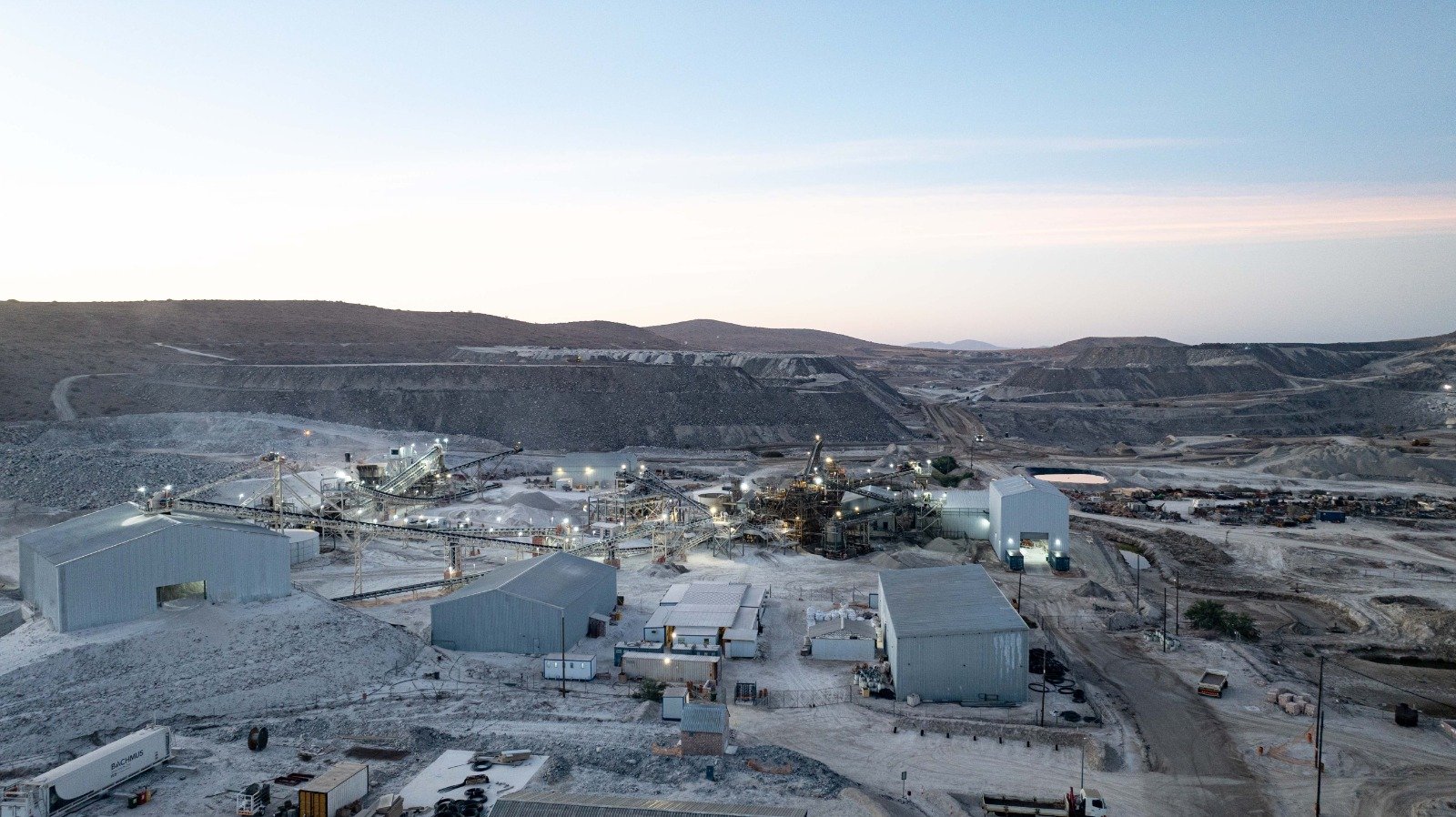
The shared refinery concept is already being tested through the construction of a lithium sulphate processing plant at the Arcadia Mine by Chinese battery materials company Zhejiang Huayou Cobalt. Valued at approximately US$400 million, the plant is expected to begin production in the first quarter of 2026, with an annual capacity exceeding 60,000 metric tonnes of battery-grade lithium sulphate. This project marks a significant step forward, as it elevates Zimbabwe from exporting raw concentrate to producing a higher-value product for the global battery market.
Despite this progress, Zimbabwe remains at an early stage of the global lithium value chain. While lithium sulphate represents a meaningful upgrade, the most lucrative stages—battery cell and electric vehicle manufacturing—are still dominated by industrialized economies. As a result, beneficiation alone will not automatically translate into maximum national benefit unless it is accompanied by broader industrial development.
The proposed shared beneficiation model offers several advantages for lithium producers. It reduces the individual capital burden on mining companies, allows specialized operators to manage complex processing plants, and enables compliance with government export regulations. It also opens the possibility of improved profit margins through the sale of higher-value lithium products, although the distribution of costs and profits between miners and refinery operators will be a critical commercial issue.
However, the success of this strategy is threatened by structural challenges that continue to affect Zimbabwe’s mining sector. Chronic electricity shortages remain the most serious constraint, with power outages costing the industry hundreds of millions of dollars annually. Some lithium miners have resorted to building their own power plants, an expensive solution that undermines the economic logic of beneficiation. In addition, Zimbabwe’s deteriorating rail infrastructure forces companies to rely on costly road transport to ports, further squeezing profitability.
Market volatility and regulatory uncertainty also pose significant risks. A global downturn in lithium prices has strained company finances, while disagreements between government ministries over taxation policies have created confusion for investors. Furthermore, the dominance of Chinese capital in Zimbabwe’s lithium sector raises concerns about overreliance on a single source of investment and potential governance risks, particularly in a country where mineral smuggling and corruption have affected other sectors.
For Zimbabwe’s lithium beneficiation strategy to succeed, government involvement must extend beyond regulation and taxation. Sustained investment in reliable power supply, improved transport infrastructure, policy consistency, and skills development will be essential. Encouraging partnerships between foreign investors and local enterprises can also help ensure that beneficiation delivers broader national benefits rather than narrow corporate gains.
