
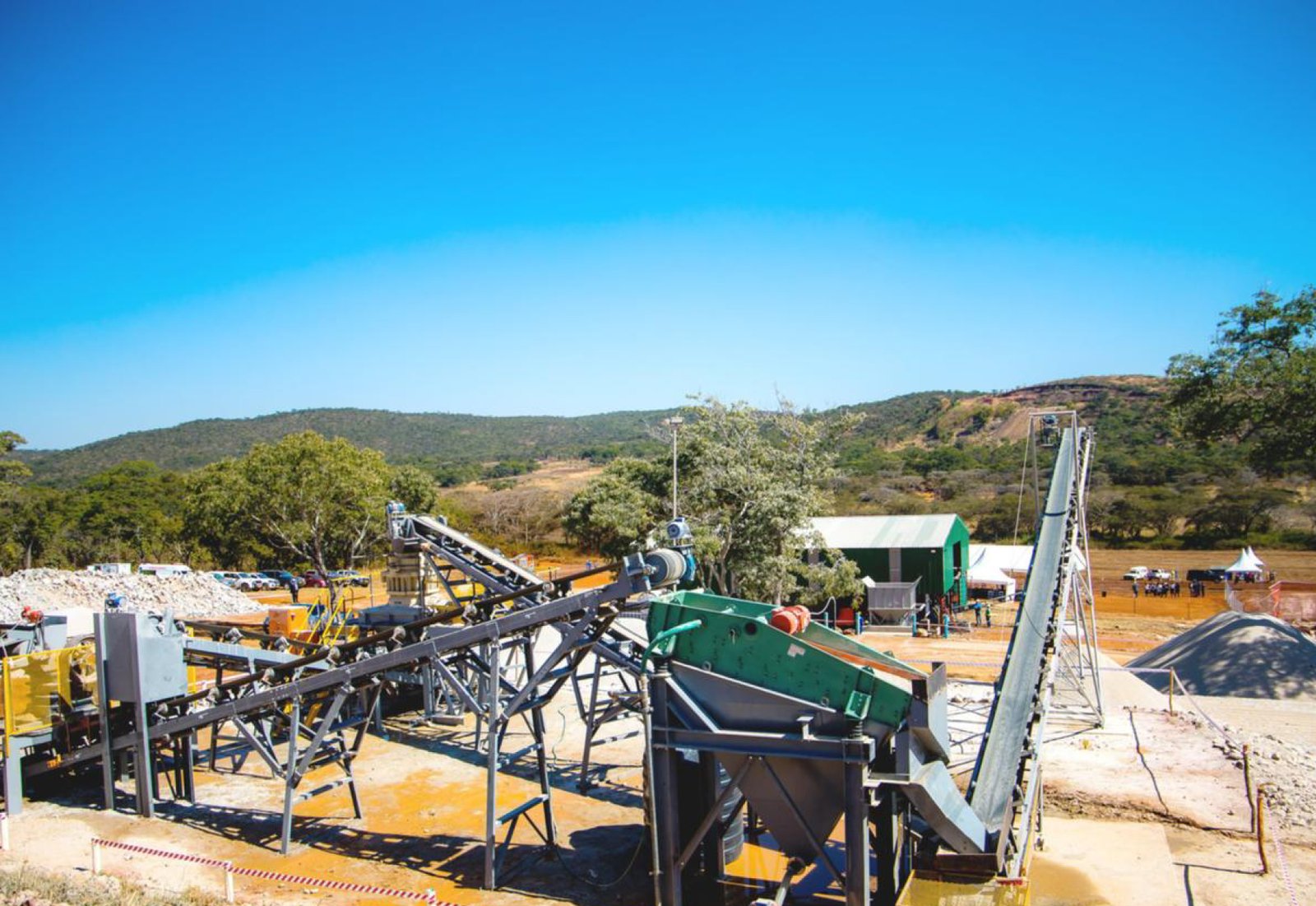
The Arcadia Lithium Mine, one of Zimbabwe’s most significant strategic mineral projects, has recently come under scrutiny following serious labour allegations raised by former and current employees. While the company has strongly denied any wrongdoing, the dispute has revealed a deeper conversation about foreign investment, expatriate dominance, and the pace of localisation in Zimbabwe’s emerging lithium industry.
Concerns were initially raised when engineers employed as Ball Mill Operators claimed they were hired for specialised technical roles but were instead deployed as general labourers performing unskilled tasks. These employees further alleged that their contracts were not renewed shortly after they collectively requested salary adjustments and duties aligned with their qualifications. They argue that this amounted to retaliatory dismissal, questioning whether due procedures required under Zimbabwe’s Labour Act were followed. Although the company insists the non-renewals were part of normal personnel turnover, the lack of clarity surrounding formal termination processes has intensified workers’ grievances.
ATZ, the operating arm of the Arcadia project, defended the reassignment of skilled staff to manual labour, explaining that the project remains in its construction phase and that critical machinery—including the ball mill—has not yet been installed. As a result, the company stated, operators were temporarily required to undertake preparatory tasks necessary for the plant’s development. It also emphasised that the employees were paid above both their contractual rate and national industry standards, suggesting that their remuneration fairly reflected their contributions.
Beyond individual contract issues, a broader and more persistent allegation has emerged: the existence of a two-tier workforce dominated by Chinese expatriates. Workers claim that although hundreds of Zimbabweans are employed at the plant, most occupy general hand positions, with nearly all senior technical, supervisory, and managerial roles held by Chinese staff. This, they argue, creates an internal “glass ceiling” that prevents local professionals from advancing into decision-making positions.
The company rejects this accusation, emphasising the unique nature of the Arcadia Lithium Mine as the first and only lithium salts processing facility in Africa. It argues that Zimbabwe currently lacks a mature industrial ecosystem and sufficient specialised expertise required for operating a technologically sophisticated plant. Therefore, reliance on an experienced Chinese core team is portrayed not as exclusionary but as essential to the project’s survival, efficiency, and safety during its early years.
To counter criticism, ATZ highlighted several initiatives aimed at fostering local capacity. These include internal training programmes, mentorship arrangements, and academic partnerships with institutions such as Ningbo Polytechnic University in China and Harare Polytechnic College. The company also noted the recruitment of locally trained engineers who studied in China and the promotion of several Zimbabwean employees into leadership positions. However, the absence of a formal, time-bound localisation plan—detailing clear timelines for transitioning key roles to Zimbabweans—remains a pressing concern.
The dispute has also attracted attention within the context of national policy directives. Under Zimbabwe’s National Development Strategy 1 (NDS1), localisation, skills transfer, and meaningful empowerment of citizens are central pillars guiding investment in critical minerals. Thus, unresolved questions surrounding dismissal procedures, organisational transparency, and expatriate staffing strike at the heart of national development objectives. While the company references its ISO certifications and adherence to ESG principles as evidence of compliance, workers remain unconvinced that their concerns have been adequately addressed.
Ultimately, the clash between Arcadia Lithium Mine’s corporate narrative and the workers’ lived experiences illustrates the tension between rapid industrialisation and local empowerment. The company presents itself as a technological pioneer navigating a challenging developmental landscape, while employees describe a workplace characterised by frustration, marginalisation, and limited advancement prospects. With Zimbabwe positioning itself as a global player in the lithium value chain, the resolution of these issues will likely set a precedent for future mining investments.
As the dialogue continues, stakeholders across the industry will be watching closely. The Arcadia case offers a critical test of how Zimbabwe balances foreign expertise with domestic opportunity, ensuring that the growth of its mineral economy reflects both economic ambition and social justice.