
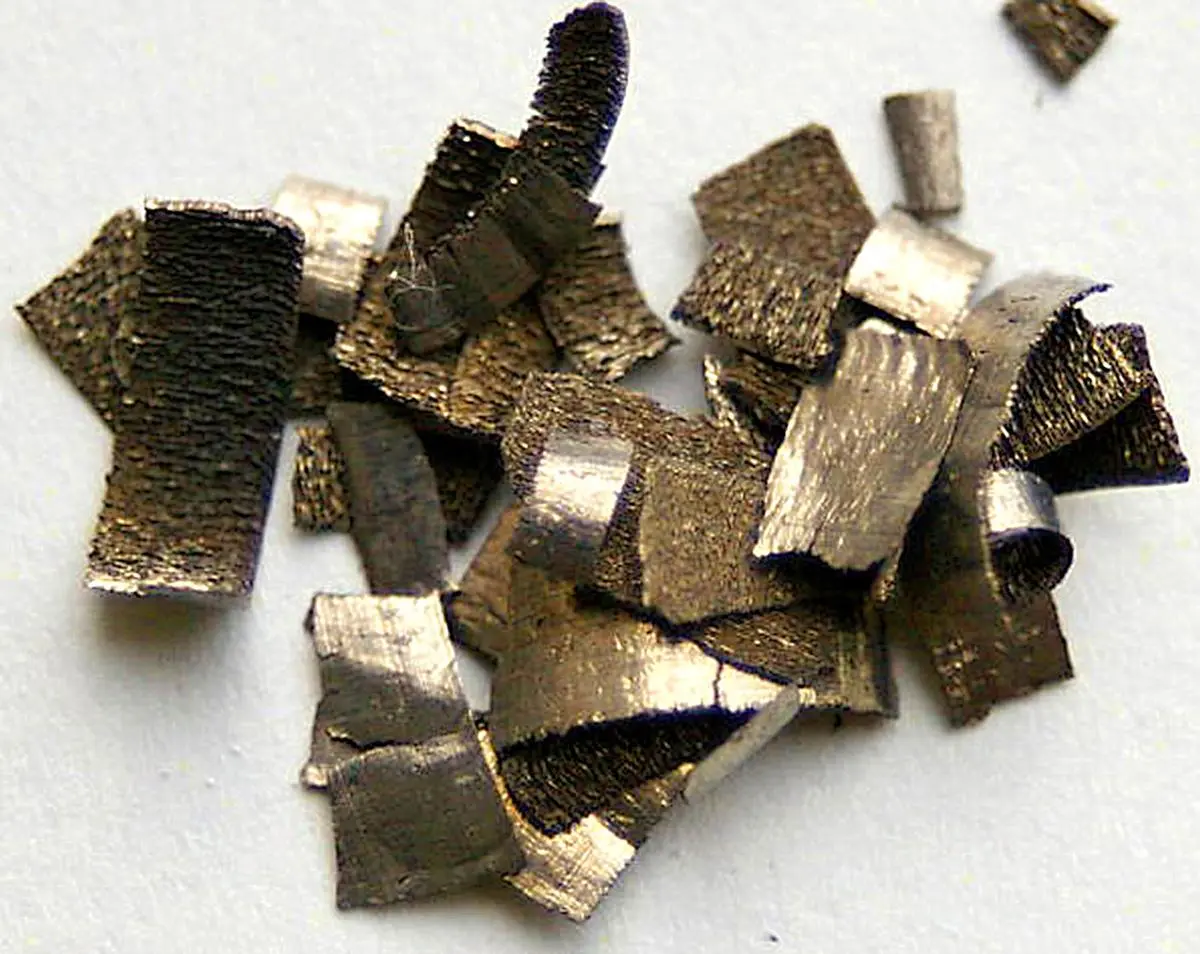
The global demand for strategic minerals such as lithium, nickel, and cobalt has increased significantly due to the rise of electric vehicles, renewable energy, and advanced electronics. These minerals are critical components in batteries, energy storage systems, and other high-tech industries. African nations, blessed with abundant deposits of these resources, are recognizing the need to develop strong regulatory frameworks that attract both local and foreign investment in the mining sector.
Developing clear and effective regulations helps African countries manage their mineral resources sustainably. By defining licensing procedures, environmental standards, and tax policies, governments ensure that mining operations are legally compliant and socially responsible. Transparent frameworks also reduce conflicts over mineral rights, making it easier for investors to plan long-term projects. Countries such as Zimbabwe, the Democratic Republic of Congo, and Namibia are increasingly focusing on regulatory reforms to create a stable investment climate.
Strategic minerals offer opportunities for economic growth through value addition. Rather than exporting raw ores, African nations are encouraging local processing, refining, and beneficiation to capture more revenue. Lithium processing, nickel refining, and cobalt production not only generate higher export earnings but also create skilled jobs, strengthen industrial capacity, and foster technological development. This approach aligns with national development strategies and global best practices in mineral resource management.
Investment in strategic minerals also depends on infrastructure and governance. Reliable power supply, transportation networks, and modern mining facilities are essential to support mining and processing activities. Governments are partnering with private investors to develop industrial parks, processing plants, and logistics hubs. These initiatives make African mining projects more attractive to global investors, reduce operational costs, and improve production efficiency across the sector.
Regulatory reforms in the strategic minerals sector also promote environmental sustainability. Mining activities for lithium, nickel, and cobalt can have significant ecological impacts if not properly managed. African governments are introducing stricter environmental standards, monitoring protocols, and rehabilitation requirements to protect communities and ecosystems. Sustainable mining practices increase investor confidence and help African countries meet international sustainability benchmarks.
In conclusion, Africa’s focus on strategic minerals is reshaping the continent’s mining and industrial landscape. By developing robust regulatory frameworks, encouraging local processing, and promoting sustainable practices, African nations are positioning themselves as key players in the global supply of lithium, nickel, and cobalt. Strategic minerals now represent both an economic opportunity and a pathway toward long-term sustainable development for Africa.