
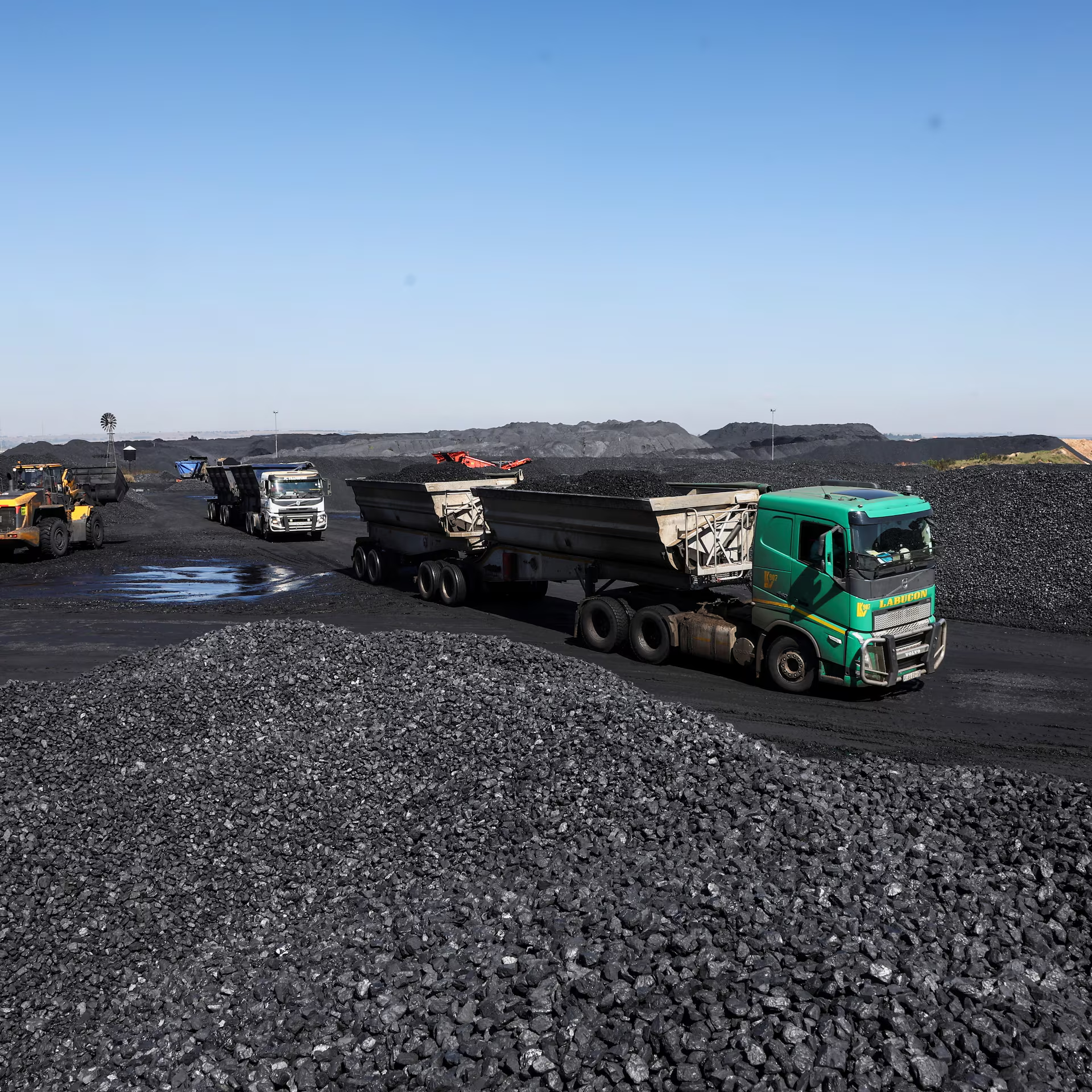
Coal mining operations in the Binga–Chikwarara area, including those run by some Chinese companies, have increased economic activity but are also putting heavy pressure on local infrastructure. One major concern is the rapid deterioration of the Karoi–Binga Road, especially the section passing from Chilimba to Chikwalala, which is heavily used for coal transport.
Mining companies are moving large volumes of coal using overloaded haulage trucks, some reportedly carrying up to 600 tonnes. This load far exceeds what the road from Chilimba through Chikwalala was designed to support. Because rural district roads are narrow and lightly constructed, they cannot withstand continuous heavy-duty traffic. As a result, the Binga–Karoi Road is developing deep potholes, cracked surfaces, broken edges, and weakened foundations.
The impact of this road damage goes beyond transport. Poor road conditions now limit safe travel between Karoi and Binga, increase vehicle repair costs for residents, and disrupt critical services such as health, emergency response, and supply deliveries. Communities along the Chikwalala corridor face higher risks of accidents as overloaded trucks struggle on unstable surfaces, sometimes blocking the road or causing long delays.
While coal mining contributes to economic growth, it must be carried out responsibly to protect essential infrastructure. Enforcing load regulations, repairing damaged road sections, and investing in stronger road designs will help reduce further destruction. Without urgent action, the continued overloading of trucks will accelerate road damage, isolate communities around Chikwalala and Binga, and undermine the long-term sustainability of coal mining operations in the Binga–Chikwarara region.