
Thousands of farmers in Zambia’s Copperbelt region have launched one of the country’s largest environmental lawsuits. They demand $80 billion from two Chinese-linked miners after a dam collapse poisoned water, ruined farms, and endangered communities.
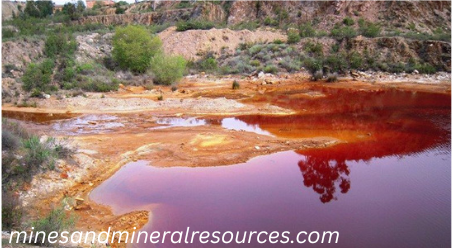
Millions of litres of acidic mining waste spilled into rivers after a dam owned by Sino Metals Leach Zambia and linked to NFC Africa Mining failed. Both companies operate as subsidiaries of Chinese state-owned firms. Villagers say the toxic flood killed fish, contaminated drinking water, and destroyed crops that families depended on for food and income. Court documents state the disaster now affects about 300,000 households, making it one of the most significant environmental cases in Zambia’s history.
A group of 176 farmers filed the lawsuit in Lusaka’s High Court on behalf of their communities. They blame engineering failures, construction flaws, and poor management for the dam collapse. The farmers want the companies to deposit $80 billion into a government-managed account to fund environmental restoration and compensation. They also call for a $20 million emergency relief fund to provide urgent medical care, clean water, and environmental assessments.
Residents say they discovered the water’s toxicity only several days after the collapse. By then, the flood had already swept across farms and villages. Court papers say the spill harmed community health, causing chest tightness and blood in urine.. Polluted wells replaced safe drinking sources, and villagers burned crops because they were no longer safe to eat.
The companies have not yet commented on the lawsuit. Sino Metals Leach Zambia admitted spilling 50,000 m³ of mine waste but claimed to control it within hours.. The company downplayed the disaster, claiming it managed the incident quickly.
International concern has grown since the collapse. In August, the US Embassy in Zambia issued a health alert, warning about widespread contamination of water and soil in the Copperbelt. It withdrew personnel from Kitwe and nearby areas, adding that airborne contaminants might also threaten public health. In response, Zambian government spokesperson Cornelius Mweetwa insisted no serious health risks remained and urged citizens not to panic.
This lawsuit could reshape Zambia’s fight for environmental justice. As Africa’s second-largest copper producer, Zambia depends on mining, but this case highlights the human and ecological costs of poor oversight. If the farmers win, the judgment could set a powerful precedent that forces mining companies to protect local communities and repair environmental damage. For now, families in the Copperbelt wait for justice and hope for a safer, cleaner future.